2025 | Volume 26 | Issue 6
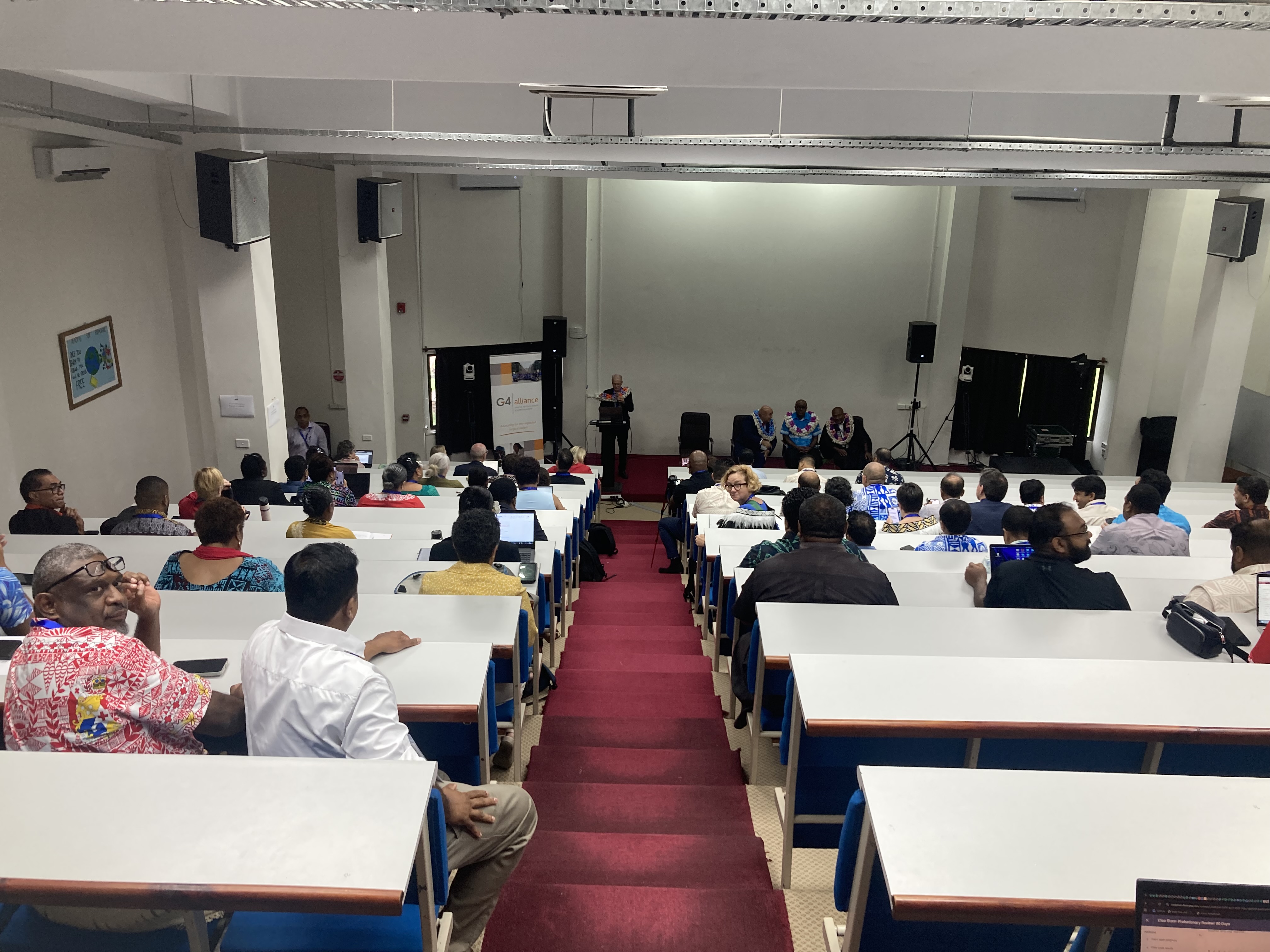
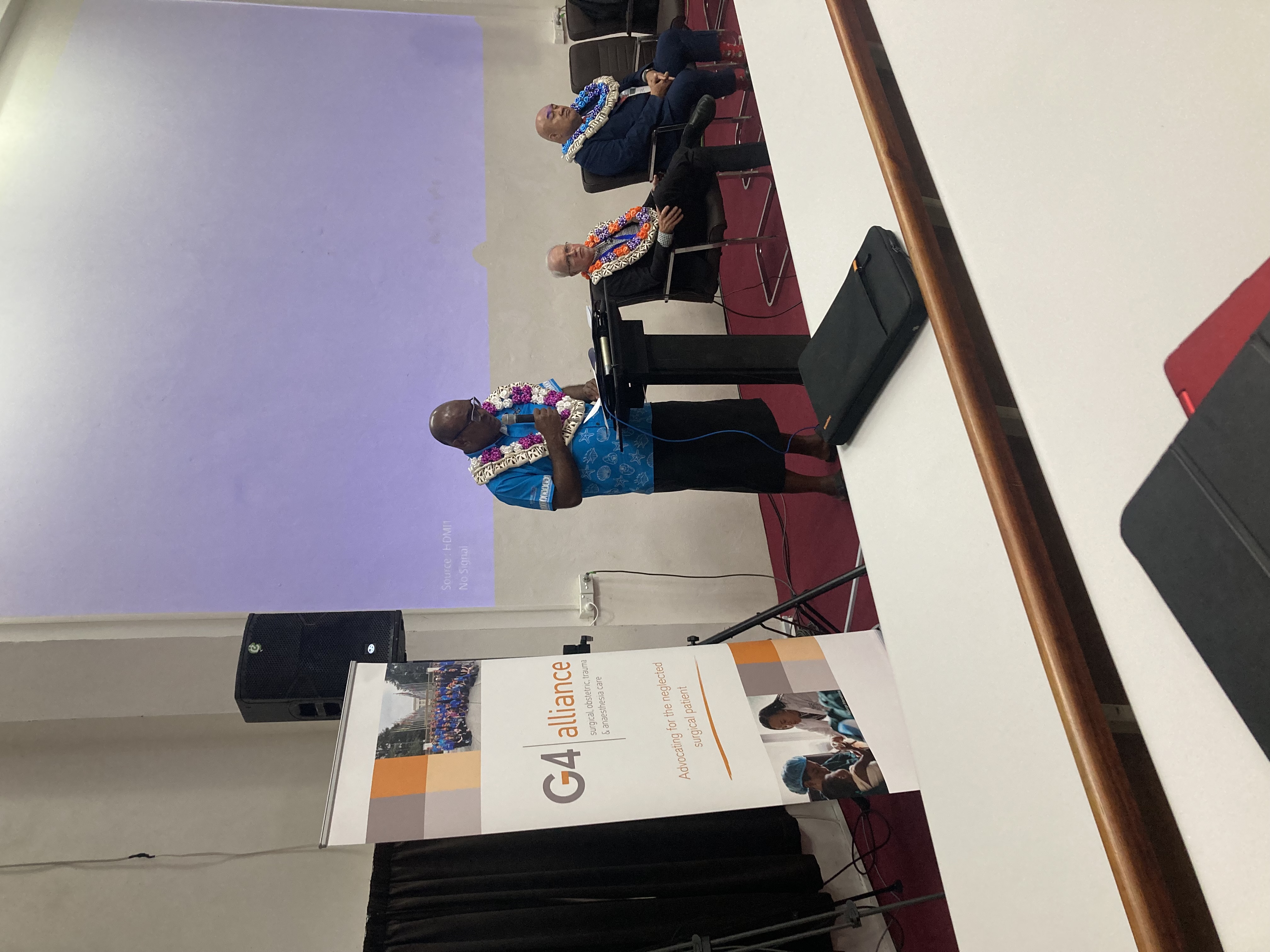
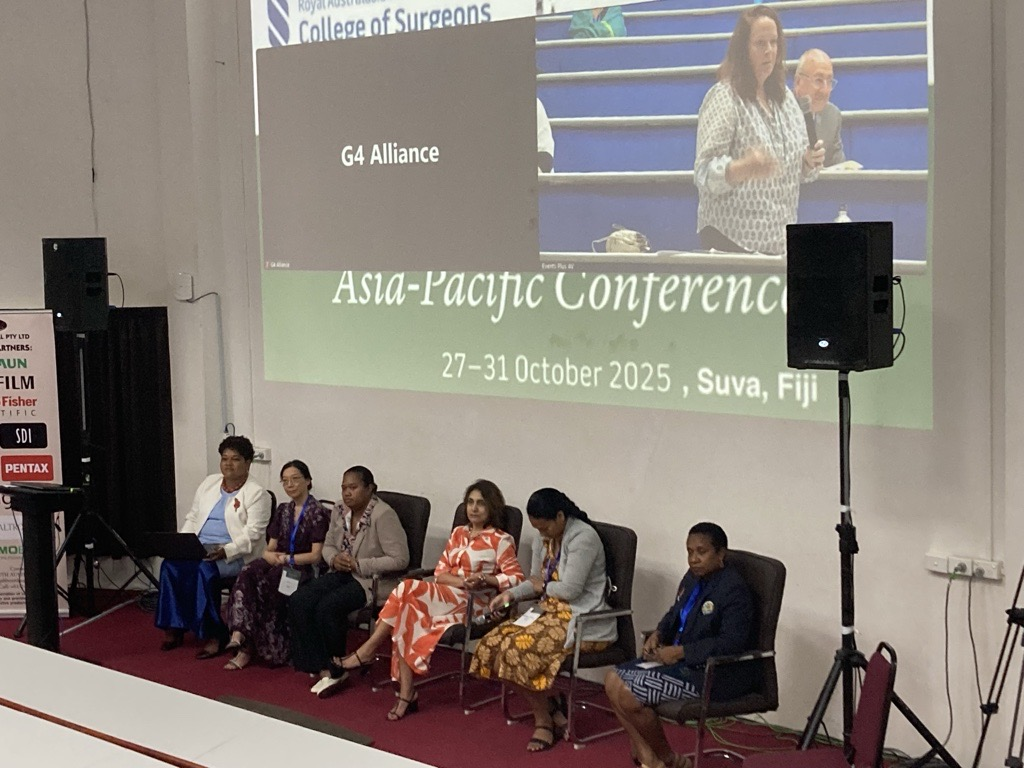
In October, the Pacific Island Surgeons Association (PISA), in collaboration with the Royal Australasian College of Surgeons (RACS) and the G4 Alliance, convened the Asia-Pacific Emergency, Critical, and Operative (ECO) Care Conference in Suva, Fiji. Themed From Risk to Resilience: Health System Sustainability in an Era of Climate Change, the conference brought together a diverse cohort of clinicians, policymakers, and advocates to strengthen ECO care across the Pacific.
The week began with the first PISA meeting since 2018, inaugurated by Fijian Health Minister Dr Ratu Atonio Rabici Lalabalavu and WHO Regional Director Dr Saia Piukala. Surgeons from across the region shared progress on National Surgical, Obstetric, and Anaesthesia Plans (NSOAPs) in six Pacific nations, and highlighted challenges in accessing safe, timely, and affordable care. They also discussed the burden of non-communicable diseases—particularly diabetes—and explored strategies for workforce development, task-sharing, and gender equity in surgical training. A powerful session, Breaking the Scalpel Ceiling, highlighted the challenges faced by women surgeons navigating cultural and systemic barriers.
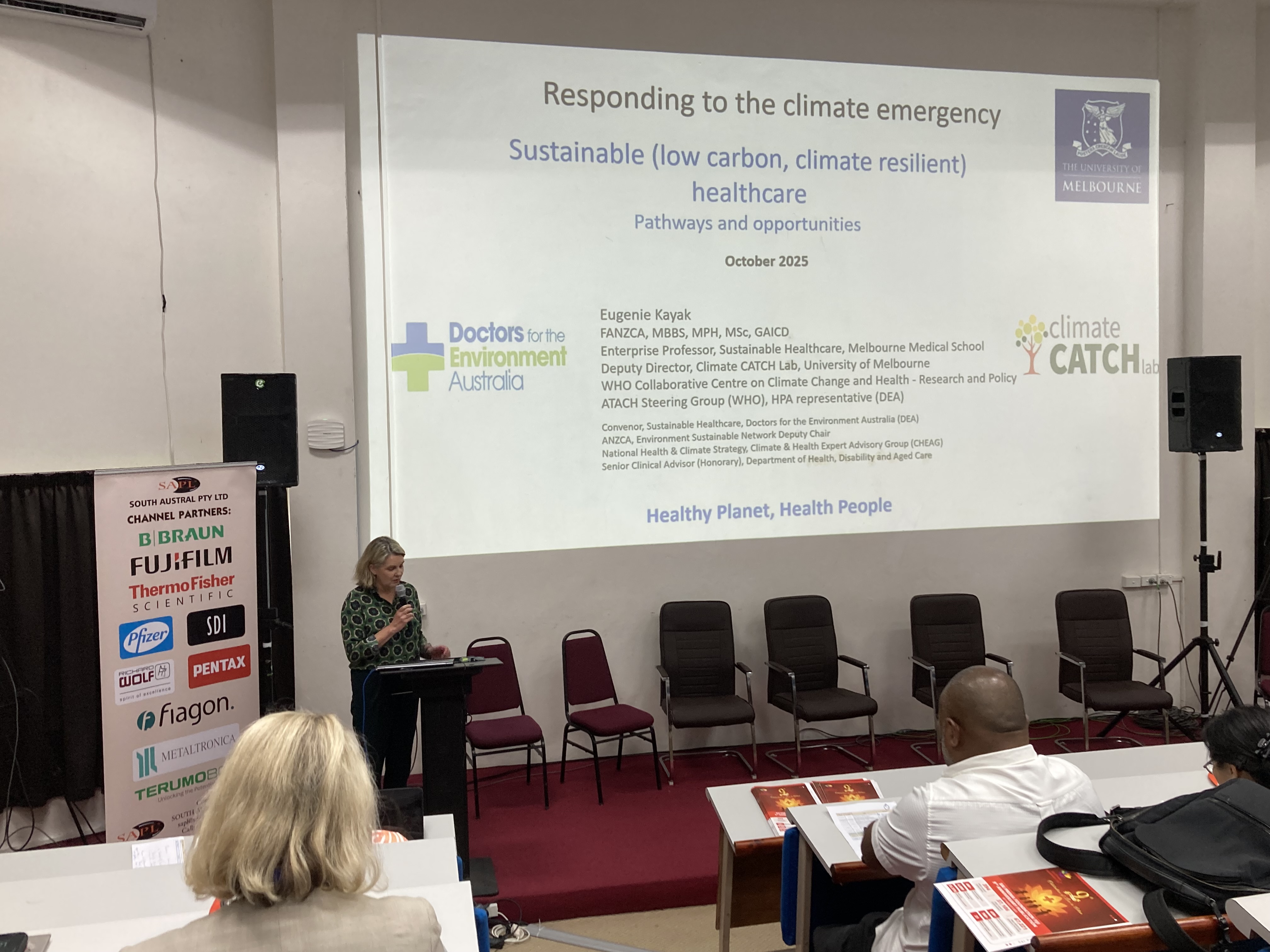
The conference emphasised the integration of ECO care into broader health systems, aligning with WHO’s post-pandemic frameworks. A central focus was the urgent need for climate-resilient surgical systems, given that 62 per cent of Pacific health facilities are within 500 metres of the coastline. Professors Eugenie Kayak and Forbes McGain presented on the environmental impact of surgical care and outlined practical mitigation strategies.
Interactive breakout sessions addressed climate adaptation, health system strengthening using the WHO building blocks, and innovative financing mechanisms. Contributions from the World Bank, Indonesia’s Ministry of Health, Harvard PGSSC, and Australia’s DFAT enriched discussions on sustainable investment in ECO care.
Two key sessions at the conference were G4 Alliance initiatives:
• The first was recognition of the place of Traumatic Brain Injury (TBI) in trauma in low and middle income countries (LMICs) and advocacy for TBI to be included in a World Health Assembly resolution as a notifiable condition. The ultimate aim of this initiative—if it were to be accepted—is to allow data to be collected and wide-ranging action plan implemented from prevention to rehabilitation.
• The second was a Data to Quality Improvement session promoting a minimum data set for operative encounters to be used for QI and advocacy for scale up in LMICs—a much-needed process in the region.
A key outcome of the conference will be the development of a consensus statement. This is being collated through a Delphi process but is expected to affirm shared commitment to equitable, climate-smart ECO systems. Guiding principles are likely to include sustainability and resilience, data-driven quality improvement, and cross-disciplinary collaboration. Strategic actions span policy advocacy, green infrastructure, capacity building, research, equitable supply chains, and inclusive governance. In addition, it is expected that the statement will call for integrating ECO care into national health policies and strongly emphasise the inclusion of nurses and allied health professionals in policy development and authorship.
RACS was proudly represented by president Professor Owen Ung and vice president Professor Ray Sacks. Special recognition was given to Dr Rajeev Patel, newly elected PISA president, and outgoing president Professor Ifereimi Waqainabete.
The conference underscored the power of advocacy, regional collaboration and the imperative to move from siloed efforts to integrated, context-specific solutions. To quote Bono of U2 fame, “Where you live should not determine whether you live or die.”