2025 | Volume 26 | Issue 6
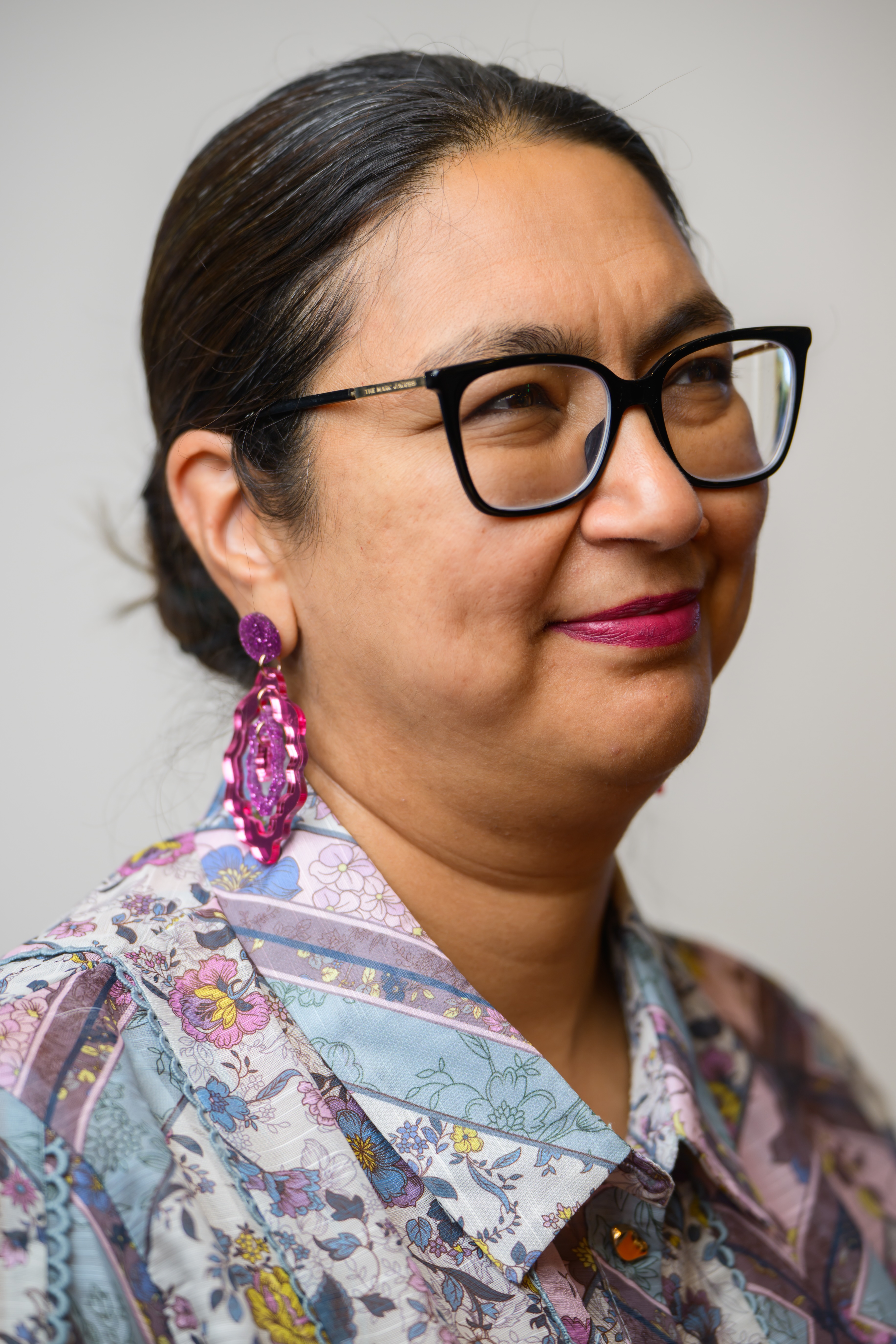
As the newly elected president of the Royal Australian and New Zealand College of Obstetricians and Gynaecologists (RANZCOG), Dr Nisha Khot is shaping the future of obstetrics and gynaecology—a specialty grounded in surgery. She is the first woman of colour and only the third woman to lead the College, which educates, trains and advocates for women’s health across Australia and Aotearoa New Zealand.
The Melbourne-based obstetrician and gynaecologist takes the helm at a time of significant challenge. The needs of women’s healthcare are changing. Her priorities include protecting the surgical identity of the discipline, strengthening training pathways, and fostering collaboration with RACS to advance women’s health and surgical standards across Australia and Aotearoa New Zealand.
Inspired by her grandmother
Dr Khot’s path into medicine was shaped by her grandmother, who didn’t have the opportunity to study herself. “My grandmother was the reason I became a doctor,” she says. “She believed the next generation should have the opportunities she did not.”
Initially drawn to pathology, Dr Khot changed course after a rotation in obstetrics. “Within six months, I realised this was where I was meant to be.”
Her early work in under-resourced hospitals left a deep mark. “Women would arrive after days in labour, often close to death,” she says. “That experience taught me how undervalued women’s lives can be and why this work matters.”
After completing her medical training in India, Dr Khot moved to the United Kingdom, then to Australia in 2010 when her husband began a research Fellowship in Melbourne.
Relocating brought major challenges. “There was little clarity on pathways,” she says. “I found the lack of transparency difficult to navigate.”
Those experiences shape her advocacy for international medical graduates.
Addressing inequities in women’s health
Across three countries, Dr Khot has seen the same pattern of underfunding in women’s health. “You would expect better in wealthy nations, but inequities persist,” she says.
A long-standing advocate for reproductive rights, Dr Khot speaks with clarity. “Health care decisions belong to the woman. Everyone else should stay out of it.”
She argues that these funding gaps directly affect access to care and the sustainability of surgical training. Strengthening both is central to her presidential agenda.
Dr Khot’ s focus includes advocating for stronger investment in women’s health, securing the future of surgical training, and enhancing the value of College membership. “We need to listen to Fellows and ensure the College represents them.”
Protecting surgical identity
Dr Khot is clear about the surgical nature of her specialty. “Obstetrics and gynaecology is a surgical discipline. “We must protect and promote that identity.”
She is equally concerned about the uneven distribution of specialists. “We have more gynaecologists in cities than in rural areas. That imbalance creates delays in care and undermines equity.”
Encouraging women into surgery
While there has been a steady increase of women Trainees and Fellows in obstetrics and gynaecology over the last decade, they continue to be under represented. Dr Khot believes we have to look at structural issues if we are to have more women in surgery. This needs a combination of flexible training pathways, addressing bullying and discrimination in the workplace, having women role models and mentors, male allyship, gender balanced selection pathways and changing the narrative about surgery as a collaborative, team-based speciality rather than a one-man show.
Collaboration for better outcomes
Gynaecological surgery is becoming increasingly complex because most non-complex conditions can now be managed without surgery. For example, when women need surgery for endometriosis, they often need both uterine surgery as well as bowel surgery. Combining the surgical skills of a gynaecologist and a colorectal surgeon yields the best results for the woman. Yet, there are very few options for such combined lists. Dr Khot says we should look beyond the siloed approach of gynaecological surgery versus other surgery. Collaboration between the two professions will only improve long term outcomes for women’s health.
Reconnecting the College
Dr Khot recognises the need to renew the College’s relevance. “Doctors now meet continuing education requirements outside their Colleges. So why belong?”
Her answer is simple: community and purpose. “It’s about Fellowship and belonging to something larger than ourselves. Our members must feel that the College adds value to their professional lives.”
Finding balance
Outside leadership, Dr Khot finds balance through running. “I was not sporty,” she admits. “Then I realised I was telling patients to be active while doing nothing myself.”
Now, she joins her local parkrun each Saturday and keeps setting new, longer distances as a challenge.
Leading with unity
As president, Dr Nisha Khot brings global experience, compassion and determination to women’s health leadership. “For me, it is about unity and collaboration. We are stronger, together.”