2025 | Volume 26 | Issue 6
Established in 2006, the RACS Trainees’ Association (RACSTA) Committee comprises of representatives from all surgical specialties including Aotearoa New Zealand and state and territory committees. It provides input at all levels through to the RACS Council.
RACSTA represents the interests of Trainees within RACS by advocating for issues affecting them. These include quality of training, workplace culture and wellbeing. The aim is to enhance surgical education and training while ensuring the Trainee experience is enjoyable, productive, and well-supported.
RACSTA collaborates with RACS Boards, Committees and specialty groups and are regularly invited to comment on matters that affect Trainees.
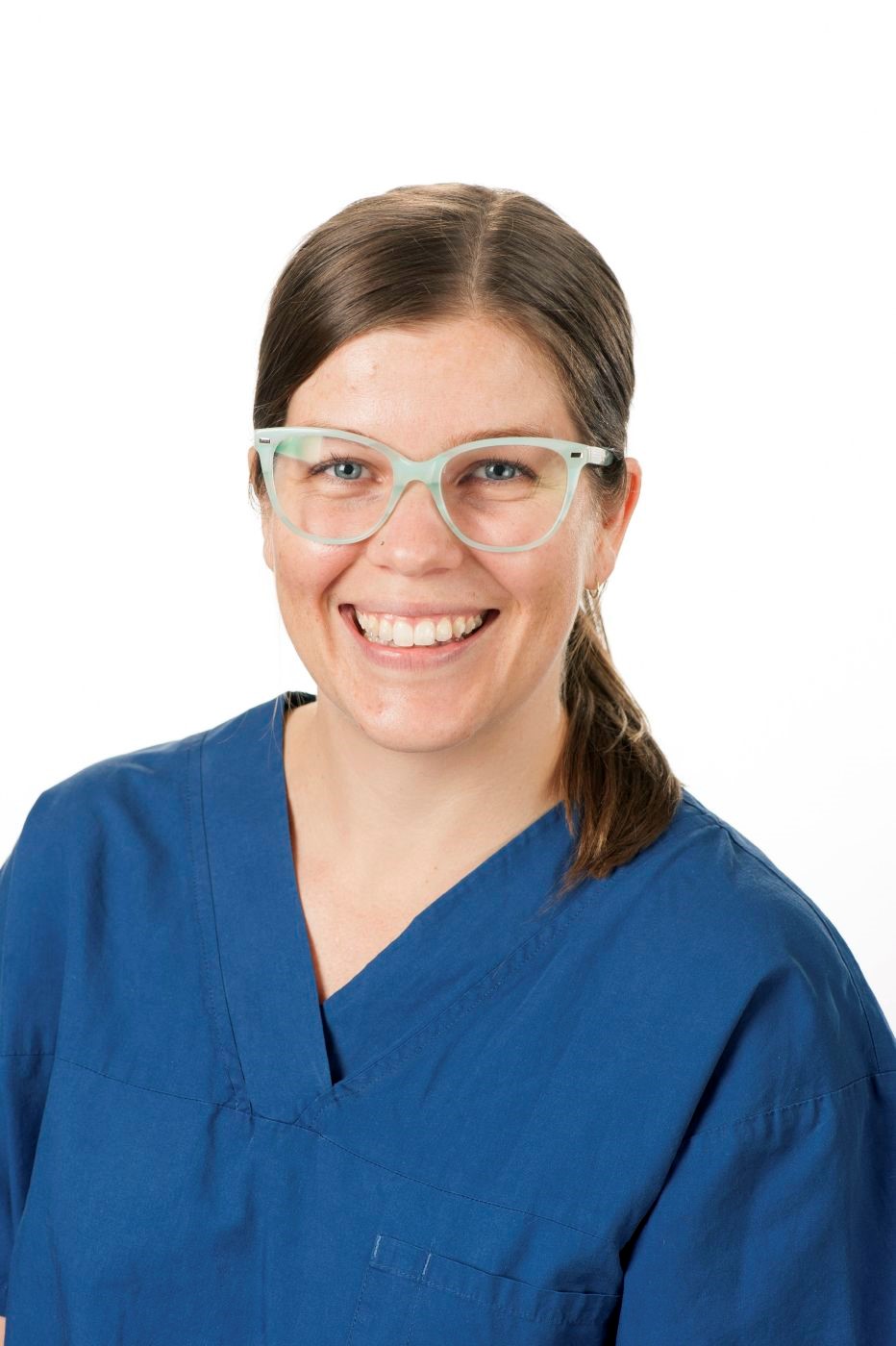
Name / SET level
Amelia (Milly) Davis/ GSET 3.1
Tell us about yourself.
I am the General Surgery Trainee representative (started in 2025) for Western Australia and currently based in Albany—the best place. I am also the 2026 2026 RACS ASC Perth, Trainee Section Convener.
I love training in General Surgery, which I started in 2023, as I loved working rurally and the breadth of a rural general surgeon's role—trauma, urology, bur holes, tendon repairs, quinsy’s etc—the scope was wide. Perhaps more importantly, the consultants I worked with were full of life, always made the most junior of us feel like a valued part of the team and enthusiastic about teaching.
One of the most interesting aspects has been the variety, logistical hurdles and adaptability required in managing rural cases. I see myself in rural general surgery.
How would you describe your surgical training journey?
I started out in research after biomed and completed my honours project operating on rats. I became allergic to the rats, and I enjoyed surgery more. After finishing my MBBS I worked in different specialties and locations, travelled, got married and slowly buffed up my CV. Since getting on, I’ve been focused on finishing what I started!
What made you want to join the RACSTA Committee and is there an area of advocacy you're most driven by?
I like puzzles and problem solving. For each placement I try to implement a small service improvement for the next set of colleagues coming through. This position seemed like a natural extension of this. I see this role as giving Trainees ‘a collective voice’ and by participating in decision making processes which affect us all … ‘I want to be in the room where it happens’ (for any Hamilton fans).
What are your hopes for the future of surgical training in your specialty, or training wide?
So many—increasing women colleagues and role models, normalising part time training, simplifying access to maternity leave, five year contracts for Trainees, opportunity for international training terms and rural and remote training pathways.
What advice would you give to junior doctors interested in your specialty?
Here are a few:
• Be organised: look at the CV criteria years ahead and plan your points.
• Be proactive: every rotation is an interview.
• Be visible: attend ASC and GSA ASM conferences are a good place to start outside work.
• Get a mentor (or mentors) at different stages in training or your career.
• If you’re a gamer: keep doing that.
• Don’t forget to place importance on the things that bring you joy outside of your career.
A fun fact about yourself?
Hard to choose!
• I earned a black belt in karate when I was 12 years old-now I just fight with my alarm clock.
• I hold a 1194-day streak on Duolingo for Spanish—which means I can confidently say ‘El gato bebe leche’ (the cat drinks milk) and not much else.
• When Big Day Out was still alive and loud, I ended up on stage with Fred Durst—my brief rockstar moment!
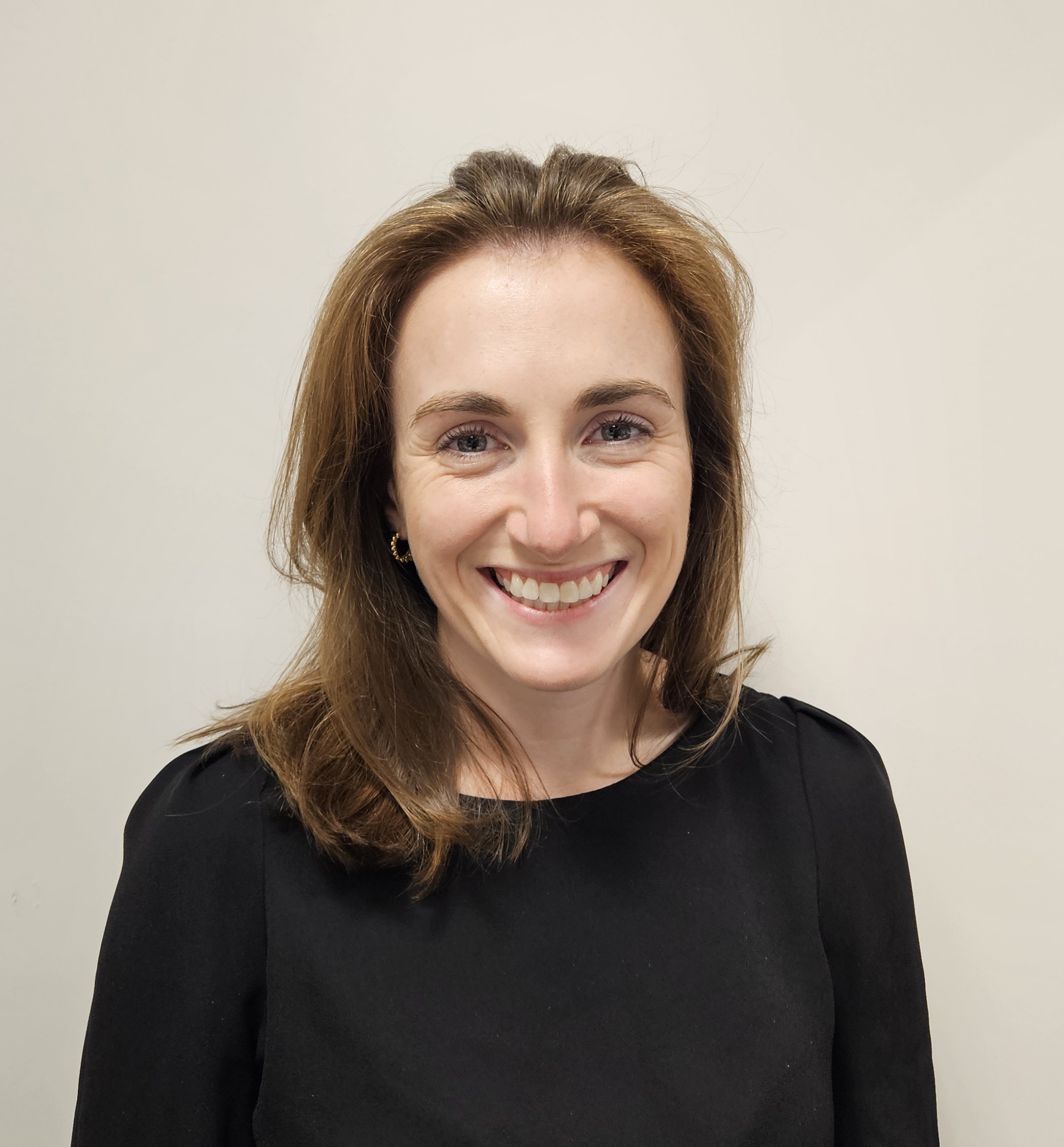
Name / SET Level
Darina Gilroy, SET 2.
Tell us about yourself.
I am the Aotearoa New Zealand Orthopaedic Surgery Trainee representative based in Wellington Regional Hospital and started my training in January 2024.
I have a special interest in paediatric orthopaedics. I chose this speciality because of excellent colleagues, variety of patients from all walks and stages of life, and the hands-on nature of the speciality with (often immediate) tangible results.
How would you describe your surgical training journey?
Geographically circuitous. I moved to Aotearoa New Zealand from Ireland seven years ago for what was supposed to be a one year ‘OE’. I was given the opportunity to step up to an orthopaedic registrar’s position when working as a house surgeon in Christchurch and, despite COVID-9 throwing up some roadblocks, was able to apply for training in 2023.
What made you want to join the RACSTA Committee and is there an area of advocacy you're most driven by?
I joined the RACSTA Committee as part of my role as the Trainee representative for the Aotearoa New Zealand Orthopaedic Training Board. Probably unsurprisingly, I am interested in women in surgery and am the Trainee representative for LIONZ (Ladies in Orthopaedics New Zealand).
What are your hopes for the future of surgical training in your specialty, or training wide?
I hope we continue to select a diverse, talented group of people who understand the varied health needs of our people across the motu and can provide that care with skill and empathy. We are lucky in Aotearoa New Zealand to have many surgeons who are passionate about education and training and I hope we see that shining through in the generations to come.
What advice would you give to junior doctors interested in your specialty?
I would advise you to get among it! You can only know if you want to dedicate your professional life to a speciality if you are familiar with all the ins and outs of it. Orthopaedics is a very rewarding speciality with a great community.