2026 | Volume 27 | Issue 2
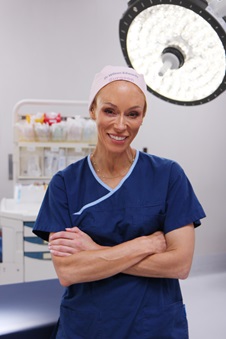
Dr Ailsa Wilson Edwards
Dr Ailsa Wilson Edwards, FRACS, an Adelaide-based urologist, serves as the Royal Australasian College of Surgeons (RACS) representative to the Therapeutic Goods Administration (TGA) Women’s Health Products Working Group.
The TGA established the Women’s Health Products Working Group in 2022. It operates under the Australian National Women’s Health Strategy (2020–2030) and the Action Plan for Medical Devices. The group brings together professional bodies, researchers, consumer groups and policymakers to improve women’s health products and guide national decision-making.
“My role is to represent a united voice for RACS on topics related to women’s health products,” Dr Wilson Edwards says.
For Dr Wilson Edwards, this work is meaningful because it emerged from women’s lived experiences. “The working group was born out of concerns raised by inquiries into pelvic mesh and breast implants. Through the devastating complications experienced by some women it was identified that there was a need for regulators to refocus in women’s health.”
Meeting three times a year, with consultation work in between, Dr Wilson Edwards brings a surgical perspective to the group. She draws on expertise from across specialties to shape practical advocacy—a strength she says lies in RACS’ collective depth of knowledge.
“There is a lens that only surgeons can bring—clinical experience, evidence-based mindset, supporting women through life stages and as prescribers of medicines and devices—to guide the TGA and the Minister for Health where Australia should stand on these topics.”
That advocacy is already delivering results. One key project led by Dr Wilson Edwards modernised the Australian consumer medicines information for vaginal oestrogen products—a safe and effective treatment for genitourinary syndrome of menopause.
“The consumer information patients were receiving with their oestrogen products remained alarming in intimating risks of cancer, cardiovascular disease and dementia, far greater than demonstrated by evidence. It became clear in the course of the Working Group that this was concerning all members and drove motivation to change. I felt RACS with the specialty societies had the right skillset to spearhead this.”
That work has led to tangible change. “The information has been updated in recent months, and further improvements are ongoing. It’s something I’m very proud RACS has led.”
Another area of advocacy involved the removal of vaginal rejuvenation lasers from the Australian Register of Therapeutic Goods. The concerns raised by RACS and RANZCOG helped trigger a post-market review, and the products were ultimately cancelled for this indication.
“Laser vaginal rejuvenation was heavily marketed to consumers—treatments were expensive, with little evidence of benefit and clear potential for harm,” Dr Wilson Edwards says. Risks included burns, severe pain and scarring.
Dr Wilson Edwards also points to improvements in access to non-antibiotic options for recurrent urinary tract infections, including vaccines for urinary tract infections. Working Group leveraging and understanding of their value, which at the TGA has led to streamlined prescribing in the Special Access Scheme. Despite these wins, Dr Wilson Edwards says advocacy in women’s health must confront a deeper structural problem: the evidence gap itself.
“Historically, there has been a knowledge shortfall. If devices and medicines are tested preferentially in young, healthy men, the pharmacology and treatment effects in women can be very different.”
She points to implantable defibrillators as an example. “Women have been underrepresented in the clinical trials that established these devices, which led to questions about efficacy and higher rates of complications like unwanted shocks and implant pain. Extrapolating from male-dominated data would miss this.”
An even greater deficit exists in data on pregnant and breastfeeding women. “This is historically considered a vulnerable group in research, yet clinicians caring for women may be forced to make decisions in a data-free zone. Women want to know what is safe for their family and embrace research that moves this forward.”
For Dr Wilson Edwards, that is why advocacy must push for cultural and research change, not just product reform. She believes RACS has an important role, both through representation in national forums and through its own internal leadership.
“What RACS does well, through initiatives like the Diversity and Inclusivity Program and Women in Surgery, is increasing the profile of women in surgical and research leadership. It has been shown that when women lead research these gaps are lessened. By RACS making meaningful change from within, positions it as a positive model for other organisations and for research across Australia and Aotearoa New Zealand.”
Collaboration is central to effective advocacy. Dr Wilson Edwards describes working with other colleges, the surgical specialty societies and the federal agencies as one of the role’s key strengths. “Aligning these professional bodies has made it easier to form partnerships and strengthens our collective voice.”
For Dr Wilson Edwards, the working group has been more than a committee. “The Working Group has been a real gift to RACS, creating fresh space for the College to lead alongside its society colleagues.”
The guiding principle is simple: “If we improve the health of women, we improve the health of everybody.”