2026 | Volume 27 | Issue 2
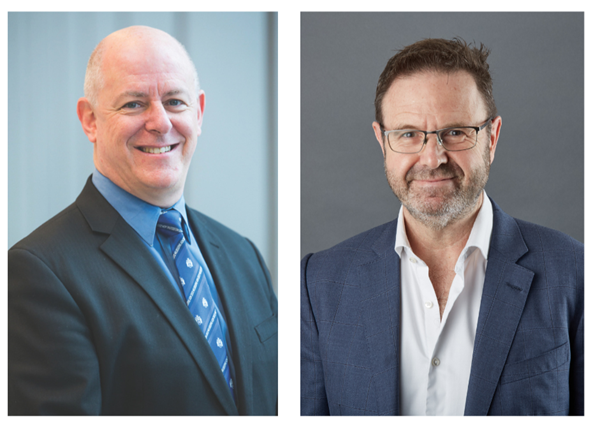
Professor Mark Frydenberg and Dr David King
Four years ago, the effective management of Type 1 diabetes was costing Australian adults about $6000 a year and it was out of reach for many. Complications were escalating with some patients facing amputations that could have been avoided with access to appropriate care.
For Dr David King, a vascular surgeon at Royal Adelaide Hospital with experience in diabetic foot care, that reality was confronting.
He approached Professor Mark Frydenberg, the Chair of RACS’ Health Policy and Advocacy Committee (HPAC), seeking support to add the weight of RACS advocacy to an already underway push for government funding.
What followed was a coordinated advocacy effort that elevated the issue, built momentum and drew national attention.
“That process contributed to a significant amount of funding being delivered for Australian patients,” Dr King says.
It is a clear example of what structured, surgical-led advocacy can achieve.
That experience is not an outlier. It is exactly what HPAC is designed to do.
Where surgery meets policy
For surgeons across Australia and Aotearoa New Zealand, advocacy is not theoretical.
It sits in the space between what happens in theatre and what is decided in Canberra or Wellington.
It determines whether patients can access care, how safely that care is delivered and whether the system can keep up with demand.
HPAC exists to bridge that gap and be the voice for surgeons on decisions that matter.
From presence to influence
When Professor Mark Frydenberg joined RACS Council, that voice was not as strong as it is today.
“When I first joined Council, advocacy was not really on the agenda,” he says.
What followed was a deliberate shift.
Under his leadership, the committee moved from a relatively quiet function to a consistent and credible presence in health policy discussions.
“Government and regulators now see RACS as a trusted partner,” he says. “We are engaged in decisions, not reacting after they are made.”
That change matters. It means surgery is part of the conversation early, not brought in once decisions are already set.
A year that reflects the work
The past year shows what that looks like in practice.
In 2025, 18 submissions were delivered across HPAC, the Rural Surgery Section, and the Environmental Sustainability in Surgical Practice Working Party.
The work has stretched from strengthening cosmetic safety standards to engaging with the Medical Services Advisory Committee, where decisions directly affect what procedures are funded and how care is delivered.
For Professor Frydenberg, Queensland’s move to protect the title of ‘surgeon’ is a highlight of the year.
“It ensures that people who have not gone through accredited surgical training cannot call themselves surgeons,” he says.
The work you don’t always see
Much of advocacy works in layers.
Submissions, consultations and direct engagement build over time, shaping the direction of policy rather than delivering a single headline result.
“Our submission in isolation may or may not have an effect,” Professor Frydenberg says. “But in combination with others, it absolutely does.”
That is how influence grows. Quietly, consistently, and often behind the scenes.
A new chapter
As Professor Frydenberg steps down, Dr King takes on the role of Chair with a clear understanding of what is at stake.
“There are issues surgeons are dealing with every day that need a pathway into policy,” he says. “This committee provides that pathway.”
What comes next
The issues ahead are not getting simpler.
Medicare reform, billing transparency and workforce pressures remain front of mind.
There are also broader shifts, including the sustainability of the private sector, expanding scopes of practice and the balance between public and private care.
The strength of the committee, Dr King says, is in offering solutions.
“If we disagree, we need to propose alternatives. That is how you stay at the table.”
Why it matters
The outcome of that work is not abstract.
It is seen in the patients Dr King remembers. The ones who could not afford care, until policy shifted.
Advocacy is not separate from surgery.
It is how the profession turns what it sees every day into decisions that change what happens next.