2026 | Volume 27 | Issue 4

Continuous professional development (CPD) may not be the most glamorous part of surgical practice, but it can reshape clinical care in unexpected and meaningful ways.
For Associate Professor Sarah Rennie, the Royal Australasian College of Surgeons' (RACS) Kaitohutohu Poka Aotearoa New Zealand Surgical Advisor (Education), a simple learning activity about adding names to surgical caps changed how she thinks about communication, teamwork and patient safety.
The idea came from research showing clearly identifying surgical team members improves communication and creates a safer operating environment.
In practice, it helped an elderly patient whom nursing staff believed may have been confused after surgery.
When Associate Professor Rennie checked on him, he remembered both her name and role because they were written on her surgical cap.
It was such a simple measure, not requiring significant time or expense to implement, but it wasn’t something she would have thought of if the idea hadn’t been given from CPD.
Clearer communication is one practical benefit of professional development.
Ongoing learning also helps surgeons keep pace with advances in technology that improve patient outcomes across Australia and Aotearoa New Zealand.
Keeping pace with change
Surgery is being reshaped by technology, artificial intelligence and changing clinical practice.
It is constantly changing and staying up to speed is essential for professional growth and better patient outcomes.
Laparoscopic surgery, for example, is something surgeons like Associate Professor Rennie never learned while they were in medical school. However, this procedure results in reduced pain, shortened hospital stays and faster recovery for many patients. Robotic surgery access is widening, the same with advances in artificial intelligence and their applications within surgery to advance patient care.
Associate Professor Rennie says CPD helps surgeons keep pace with those advances rather than relying on techniques learned years earlier.
She says CPD is especially important for surgeons in regional and remote communities, helping patients receive high-quality care regardless of where they live.
"CPD drives your own personal growth, allows you to keep up to date, ensures your skills stay relevant and stops you getting stuck in a rut doing things one way because that's the only way you were taught," she says.
“CPD also helps surgeons stay open to new techniques and evidence throughout their careers.”
Driving better patient outcomes
Ongoing learning keeps surgeons focused on why they make clinical decisions rather than simply relying on habit.
"It makes you intentional about what you're doing and why you're doing it, and it hones your decision making while keeping you up to date," Associate Professor Rennie says.
Clinical audit allows surgeons to compare complication rates, identify patterns and learn from colleagues achieving strong results.
"Being able to refine and develop a better technique through professional development, audit processes and comparing your outcomes with colleagues helps target and lower complication rates."
This ongoing refinement supports better outcomes for patients.
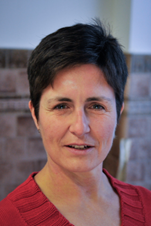
A/Prof Sarah Rennie
Building trust with patients
CPD also strengthens public confidence in the surgical profession.
Associate Professor Rennie says patients expect surgeons to maintain high clinical standards throughout their careers.
"CPD enhances and protects public trust because it keeps clinical standards really high and consistent."
That commitment to ongoing learning helps maintain consistently high standards across Australia and Aotearoa New Zealand.
Beyond technical skills
Technical expertise is only one part of being an excellent surgeon. Knowing when to operate is just as important as knowing how to perform an operation, Associate Professor Rennie says.
"You can teach anybody how to technically operate but knowing when to operate is a different skill.
Communication also plays a vital role in delivering high-quality care.
"Knowing how to communicate well with patients, understand their needs and expectations, and recognise where they come from is really important," she says.
Cultural competence has become an increasingly important part of professional development.
"One thing I've noticed over the years is thinking about cultural competence and safety and the impact that has on patients," Associate Professor Rennie says.
She says understanding patients' backgrounds and experiences helps surgeons provide safer, more patient-centred care.
Learning for life
For Trainees and early-career surgeons, Associate Professor Rennie says every education activity, audit and professional conversation is an opportunity to improve patient care.
CPD is one of the most practical ways surgeons keep learning, questioning their practice and improving care.
In a profession shaped by changing technology, evolving evidence and rising patient expectations, the message is simple: Learning never stops.