2026 | Volume 27 | Issue 4
Author: Dr Peter F Burke FRCS FRACS DHMSA FAMA
Specialty Editor: Surgical History ANZ Journal of Surgery
John Hall’s editorial, Critical Evaluations, in the June 2010 ANZ Journal of Surgery began as follows: ‘The training of surgeons is subject to fashion. Interest focuses onto a topic until it enters the mainstream of surgical practice and then eventually becomes passé. This is progress. The accumulation of new layers gradually changes the face of surgery.’
In July 1979 the RACS Victorian State Committee (VSC) announced the establishment of a Young Surgeons Forum (YSF), open to all Fellows, surgical Trainees and invited guests. Meetings were held regularly at the College and provided an opportunity for young surgeons to present clinical and experimental work.
Each meeting would comprise several short papers on surgical/para-surgical subjects, with the objective to encourage more active participation within the College by young Fellows. These were designed for Fellows recently returned from overseas, for those involved in surgical research projects, and those wishing to present papers at an informal gathering. To be organised by a VSC sub-committee with co-opted Fellows from each of the clinical schools of the Melbourne teaching hospitals.
The inaugural YSF at the College on 6 August 1980, was, Where to go after becoming a Fellow. Speakers and topics were:
• Rodney Judson: Britain on £20 a week
• Bill Johnson: American programmes
• Geoff Royal: Stay at Home!
• John Royle: Diminishing Prospects.
The next meeting, on 10 December 1980 was on The Erosion of Surgical Initiative – Endoscopy.
The Surgeon Endoscopist: Speaker – Peter Nottle. Discussant – Alf Wall
Sphincteroplasty versus Papillotomy: Speaker – David Fletcher. Discussant – Ian Roberts-Thompson
Colonoscopy? Speaker – Campbell Penfold. Discussant – Ross Elliott
The concept of a surgical endoscopy training programme: Speaker – Rick McIntyre. Discussant – Dick Smallwood.
Despite the planned four meetings a year, the subsequent meeting, What’s New, was organised more than a year later in the Hughes Room, on 7 October 1981.
Wayne Morrison: Reconstructive Surgery
Colin Russell: Gastro-oesophageal Surgery
John Forbes: Breast carcinoma
Larry Ferguson: Obesity.
The subsequent YSF, Has the College lost its way? was held on 5 August 1982 at the College. The notice of meeting advising: ‘each paper is for 10 minutes; after the lively discussion, refreshments are available. All Registrars and Fellows are urged to attend’. At this time the chairman of the VSC was John Royle, and the secretary, David Scott.
Speakers and their topics being:
Peter Burke, St Vincent’s Hospital: The Exordium
Kendall Francis, Prince Henry’s Hospital: Retrospect
Andrew McLeish, Austin Hospital: Present
John Hall, Flinders Medical Centre, Adelaide: Prospect.
My paper dealt with the very beginnings of our College, stressing the need for such a body, which could set and maintain standards of surgical care as the 20th century progressed.
I began thus: ‘It may seem strange to those assembled here, but surgery and surgeons once had a bad name in Melbourne. In the latter half of the 19th century, surgery was an unreliable and dangerous form of medical care.’
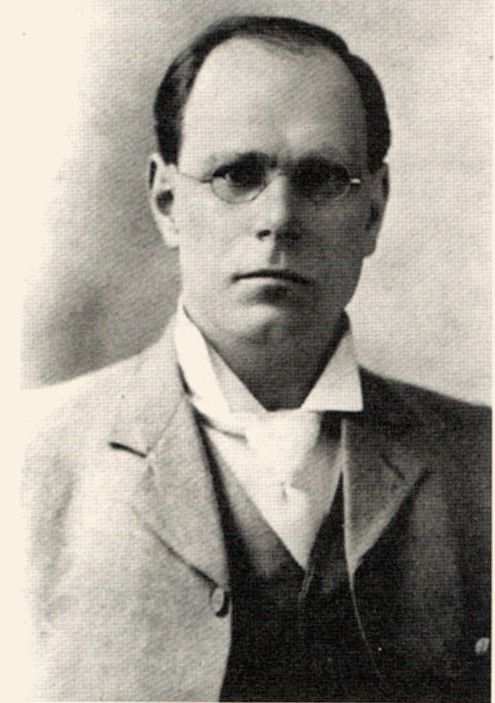
George Adlington Syme in 1900
The evolution of the Australasian College in the early 1920s was outlined with reference to the high-level visitors from the American College of Surgeons, balanced with the perceived need to remain affiliated with the British Medical Association in Australia. Gradually the structure of the College evolved along the lines of the British colleges but also with some allowance for the practical experience requisite for Fellowship of the American College of Surgeons.
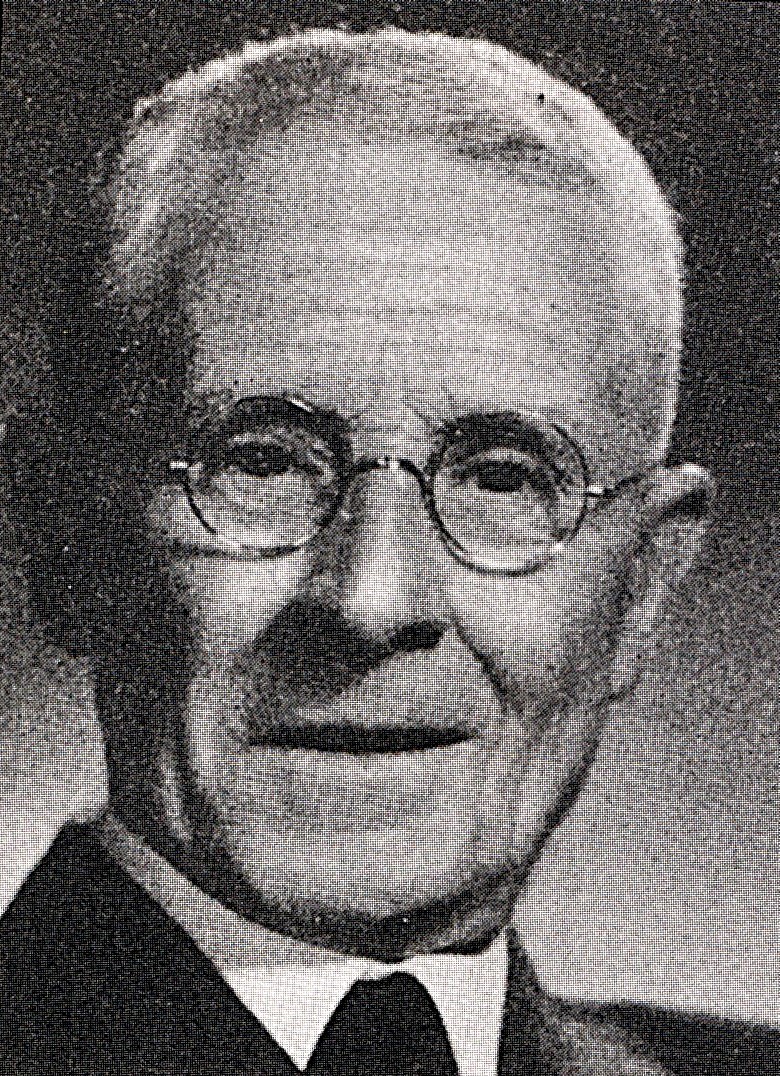
Francis Percival Sandes
Excerpts from that final document include the following statements: ‘that the high traditions of that profession should be upheld and developed’, and that, ‘the standards of surgical practice in hospitals should be elevated’. At the Australasian Medical Congress in Dunedin in February 1927, those founders who were present, took the opportunity to form The College of Surgeons of Australasia.
On 24 November 1982 another YSF was held in the Hughes Room, with the following program:
Chairman: Laurie Harewood
Rod Dalziel: Total Hip Replacement in patients under 40 with Juvenile Rheumatoid Arthritis
Tony Costello: Percutaneous Aspiration of Renal Cortical Abscess
Ian Carlisle: Split Rib Cranioplasty – a Rigid Technique
Chris Martin: Mobile pH Monitoring for Reflux – Clinical Application.
This meeting was then reviewed in depth at the YSF sub-committee meeting three weeks later. My secretarial minutes of the meeting recorded that only one speaker exceeded the time allowed, which had prevented questions. Chairman Harewood explained that the speaker had anticipated that two slide projectors would be available and that the program had been hastily reorganised to use the one slide projector available!
These meetings and the format of four speakers were regarded as most successful; all agreed that they should continue. A total of four further YSF meetings were held, the details as follows:
23 February 1983
Campbell Miles: Non-invasive Investigation of the Carotid Artery Stenosis
Julian Pribaz: The Functional Value of Latissimus Dorsi Donor Site
Hamish Ewing: The DaSILVA Method of Repair of Incisional Herniae
Graeme Brazenor: Treatment of Giant Intracranial Aneurysms.
15 June 1983
Geoffrey Durham Smith: The Arm Box- a New Post-operative Support
Roland Hunt: Truncal Vagotomy Revisited
Ross Snow: Reconstructive Surgery in Urology
Christopher Bennett: Post-operative monitoring of Replanted Digits.
30 November 1983
David Butterfield: Acid Secretion and Recurrent Duodenal Ulcer. Discussant: Malcolm Douglas
Chris Christophi: Broncho-Biliary Fistula. Discussant: Bill McDonald
Alan Woodward: The Management of Neurogenic Bladder in Children. Discussant: David Burke.
21 March 1984
Graeme Minifie: Breast Cancer – Therapeutic Options. Discussant: John Collins
Bruce Waxman: Effects of Elective Major Gastrointestinal Surgery on Neutrophil Function. Discussant: Bill Johnson
David Young: External Fixation – An Aid to the Management of High Velocity Injuries. Discussant: John Hart.
As an active participant in all these collegiate activities almost half a century ago, it is fascinating to observe that ‘surgical progress’, as defined in John Hall’s words at the outset of this article, has been vindicated.
Topics such as: Where to go after obtaining your Fellowship, and Has the College lost its way, remain most relevant. On the other hand, truncal vagotomy, acid secretion and recurrent duodenal ulceration would elicit little clinical interest these days.
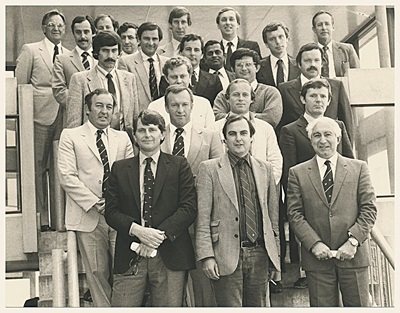
The first Younger Fellows residential course, Wellington 1982
This was indeed an exciting time as the First Younger Fellows’ Residential Course was held in Wellington in early 1982. Elected as spokesperson by my peers, comprehensive reports were submitted to College Council and the VSC, the inputs well received, leading to the permanent introduction of such courses.
These programs from more than 40 years ago reveal what the young, up-and-coming surgeons of the day were then discussing: coincidentally and pari passu, revealing a then-contemporary total gender imbalance of the contributing surgeons. Most certainly the case, of ‘the more things change, the more they stay the same’, no longer applies.