2026 | Volume 27 | Issue 4
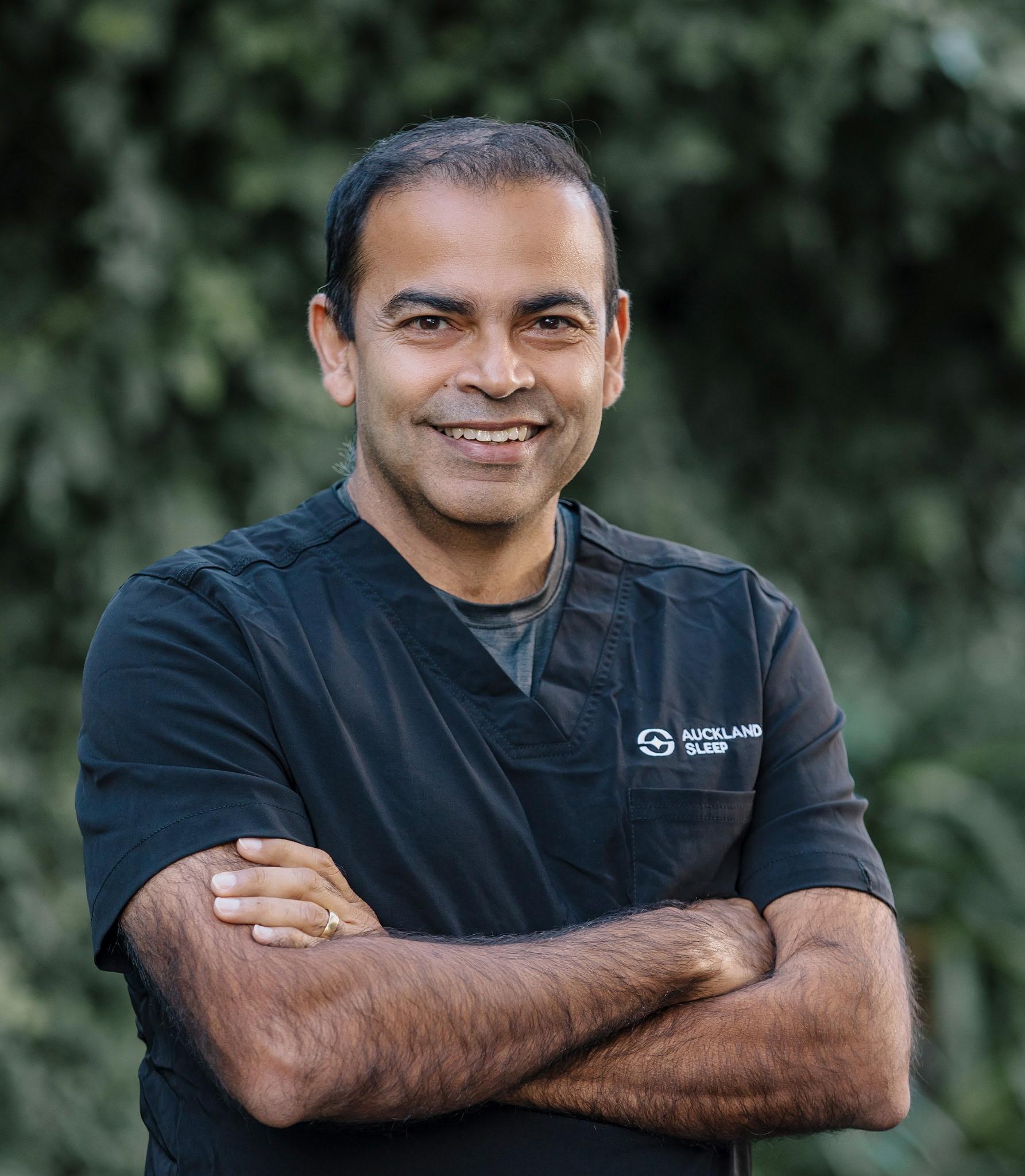
Dr Sumit Samant
There is a moment from a Wilderness Medicine Course in Queensland that Dr Sumit Samant has never forgotten. The instructor posed a scenario: you come across an accident far from medical help. Your instinct is to rush in. Instead, the instructor stopped everyone.
"Before you do anything, stop. Assess the scene. Make sure it's safe. If you rush in without thinking, you may simply create another victim."
For Dr Samant, an Auckland-based otolaryngologist head and neck (ENT) and sleep surgeon, the lesson extends far beyond first aid.
"It's exactly the same principle we use in surgery. The first instinct shouldn't be to act immediately. It should be to pause, assess, gather information and then make the best possible decision,” Dr Samant says.
That ability to think before acting lies at the heart of how he practises medicine today. It is also what he believes FRACS truly represents. Patients see the operation. They rarely see the judgement behind it—the years of training, reflection and continuous professional development (CPD) that shape every clinical decision.
Growing up in Varanasi, India, Dr Samant learnt an early lesson about medicine from his father, an ENT surgeon. When his father opened his private practice, he chose a former throat cancer patient, not a politician or celebrity, to inaugurate it.
"It taught me that medicine is fundamentally about relationships with people rather than prestige."
His career has taken him across three continents. After completing his ENT training at Mumbai University's KEM Hospital in India and working as a consultant, he spent four years in the UK before moving to Rockhampton, Queensland. He later settled in Auckland, where he has lived for the past 18 years.
What he did not expect was being told that despite years of surgical experience and supervising registrars, his three-year Indian specialist training was not considered equivalent to the five-year Australasian program. To become a Fellow, he would have to retrain.
There were 21 applicants for one training position. He got it.
The decision to start over was not an easy one. But he remembered the words of a senior colleague in Mumbai before leaving for the UK:
"You won't just learn more surgery. You'll learn how to learn, and you'll learn how to think."
That advice proved prophetic. The College recognised two years of his previous experience, so he completed three years instead of five.
Looking back, Dr Samant says the Fellowship transformed him—not because of the qualification itself, but because it changed the way he approached medicine.
"People often think Fellowship is about passing examinations. But the real value lies in the way it changes how you think."
For Dr Samant, CPD is not simply about keeping skills current. It is about remaining curious throughout a career and approaching unfamiliar challenges with a structured way of thinking.
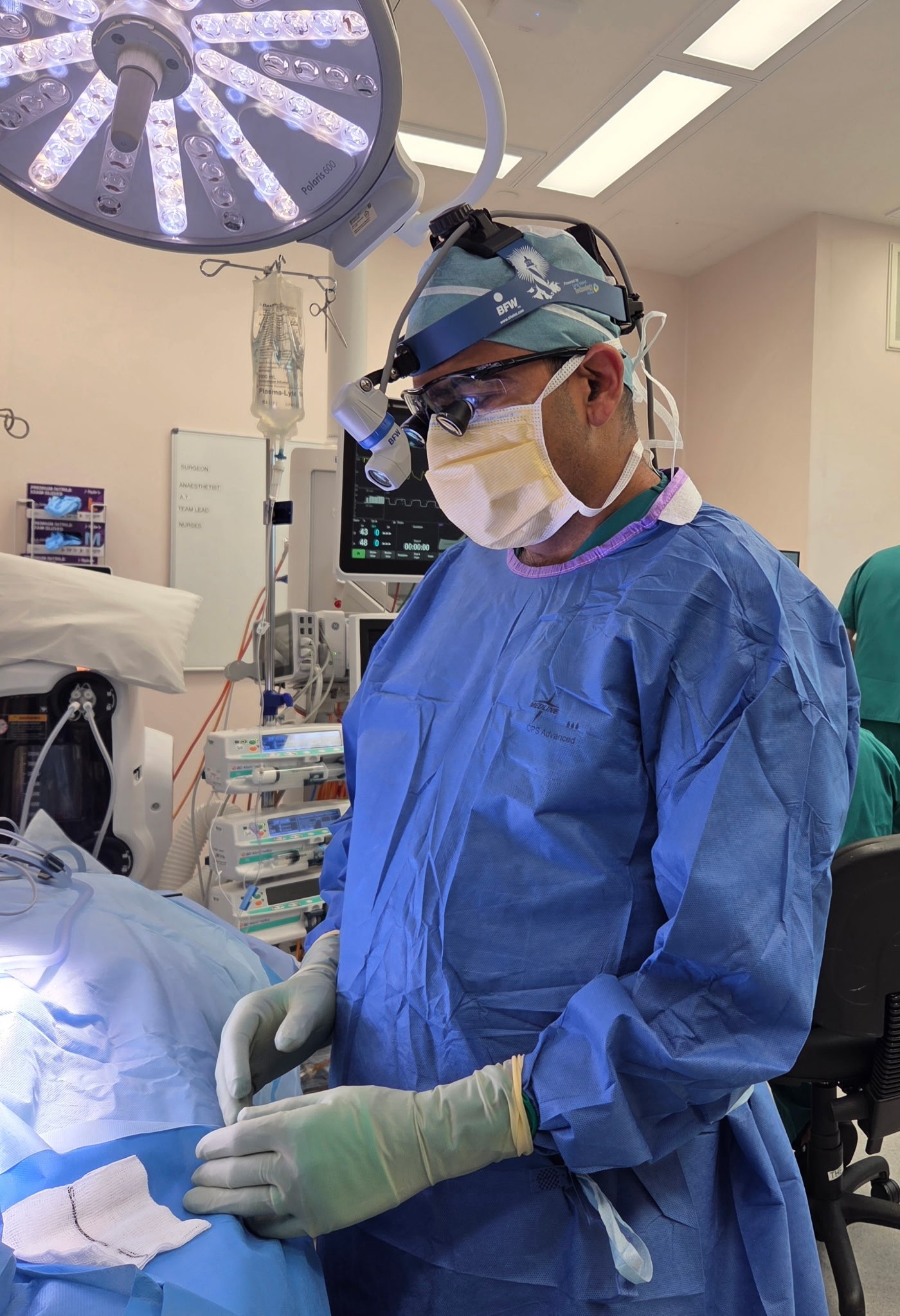
Dr Samant in the operating theatre
As his interest in sleep medicine grew, he realised patients rarely fitted neatly into one specialty. Rather than asking how to perform another operation, he began asking whether the system itself could be improved.
"I've always enjoyed looking at systems and asking how they could work better."
Six years ago, he proposed a multidisciplinary sleep service bringing together specialists from around 10 disciplines. Today he chairs the multidisciplinary sleep meeting in Auckland's public health service. He also established Auckland Sleep, a multidisciplinary clinic where surgeons, sleep physicians, psychologists, dentists and other specialists work together under one roof.
"Innovation isn't about inventing something completely new. It's about improving the way care is delivered."
He now sees his role as extending beyond the operating theatre. "I'm still a surgeon, and I love operating. But I also see my role as helping design better systems of care."
He believes that is where modern surgical leadership is heading. "Medicine has become far more complex. The best surgeons today aren't necessarily those who perform the most operations. They're the ones who know how to work collaboratively."
Leadership, he says, is not about being in charge. "It's about creating an environment where good people can do their best work."
His advice to younger surgeons is simple: "Technical skill is essential, but it isn't enough. The best surgeons are lifelong learners—curious, willing to ask questions and able to work collaboratively.
"As surgeons, we also need to look after ourselves. Without that, we're simply not the best version of ourselves."
For Dr Samant, Fellowship was never the finish line. It marked the beginning of a career built on curiosity, judgement and continuous learning, much of it invisible to patients but present in every decision he makes.